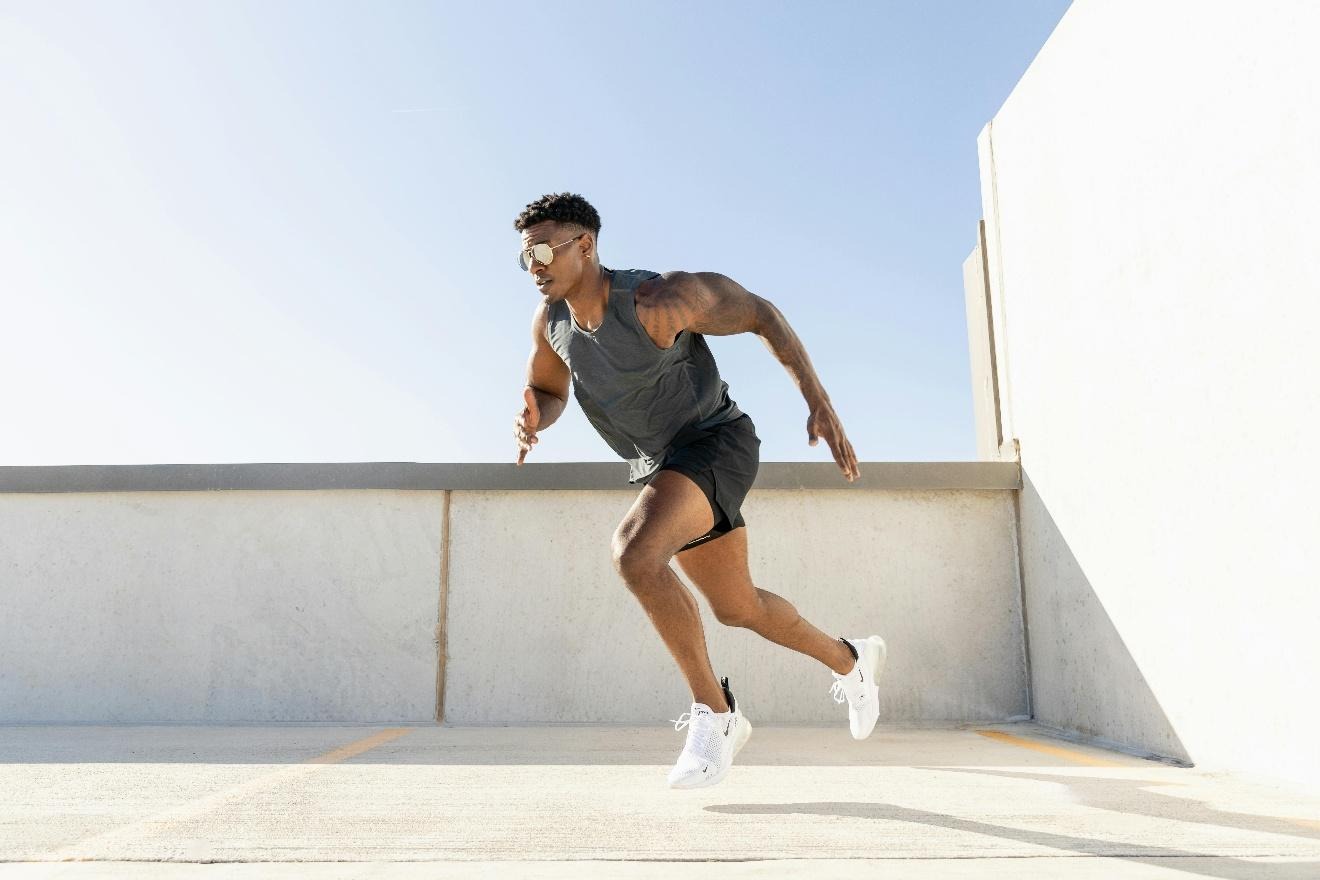
Regardless of which sport they play, young athletes need to take care of their eyes to enhance their athletic ability and potential. Healthy eyes are essential to athletic skills that contribute to development and success, such as reaction speed, allowing them to spot projectiles like balls or read their opponents’ moves to act quickly and accordingly. Young athletes must also maintain visual skills like depth perception and hand-eye coordination, which can significantly enhance performance in sports like tennis, baseball, and martial arts.
However, various factors can threaten young people’s eye health as they grow and develop, from vision problems caused by genetics or lifestyle factors to the risk of sports-related eye injuries. Fortunately, the following tips can help them protect and care for their eyes, ultimately preserving their vision for improved performance and overall health and wellness.
Get regular eye exams
Eye exams are integral to an athlete’s eye care since they can help determine visual strengths and weaknesses that can affect performance, such as visual acuity, eye movement control, and depth perception. Through tests like vision screening and slit-lamp exams, eye doctors can also catch early signs and symptoms of common vision problems and prescribe the proper intervention to prevent or slow down progression.
Young athletes aged 6 to 17 years can follow the American Academy of Ophthalmology’s recommendation of annual eye testing, especially if they are at risk of vision impairment due to a family history of eye problems like myopia, amblyopia, and astigmatism.
Consider prescription eyewear
If the eye exam reveals the presence of refractive errors, athletes must consider wearing prescription glasses to correct their vision and prevent it from worsening over time. Since a 2021 Journal of Optometry study on the gender distribution of refractive errors found that males are more myopic and astigmatic, young male athletes can look into Ray-Ban’s men’s eyeglasses, which can be ordered online with prescriptions of up to -3.00.
Ray-Ban's signature frame styles, such as Round Metal, Wayfarer, and Clubmaster, are also crafted with high-quality materials like polished metal and acetate, guaranteeing comfort and durability even when worn outside training and competitions.
Meanwhile, female athletes who are more likely to be hyperopic or farsighted may consider the women’s eyeglasses offered by the retailer LensCrafters, which include prescription options from timeless brands like Miu Miu and Burberry.
Use protective eyewear
Research estimates that 600,000 sports-related eye injuries occur in the US each year, ranging from minor scratches and wounds to blunt force trauma and closed-globe injuries. Whether these are due to physical collision or impact from equipment like balls and rackets, about 90% of these eye injuries can be prevented through proper eyewear.
Since the brand Adidas has a diverse sports portfolio, from major sports like football and running to regional sports like American football, its sports sunglasses are ideal for protecting high-functioning athletes from eye safety hazards. For example, the Adidas SP0057 model is made of an ultra-lightweight and flexible frame material called TR90 to resist accidental impact on the eyes and the surrounding area. Since young athletes' eyes are still developing, they can also be more susceptible to the sun's ultraviolet radiation. However, sports sunglasses minimize glare and reduce the risk of eye strain, which is especially helpful when training for sports like soccer, football, and baseball on the field.
Prioritize eye-healthy nutrients
Any athlete would agree that a nutritionally balanced diet can benefit their performance by promoting muscular strength, repair, and endurance. Furthermore, the International Sports Vision Association (ISVA) emphasizes that diet and nutrition are also crucial to eye health. Specific nutrients can protect internal ocular structures from oxidative stress, the primary cause of vision-threatening conditions.
These include vitamin A, which is found in red and orange fruits and vegetables like pumpkin and bell peppers and maintains a clear cornea to prevent vision loss and damage. Meanwhile, leafy greens, nuts, and legumes contain the antioxidants lutein and zeaxanthin, which serve as natural sunblock for the eyes. The ISVA also notes that visual abilities related to athletic performance can be improved through supplementation, provided the nutritional supplements are regulated by the US Food & Drug Administration and are NSF Certified for Sport.
Beyond applying these tips, young athletes and their parents, guardians, coaches, and trainers may consult with eye care professionals for specific medical advice tailored to their age, athletic ability, and chosen sport.
Speak with a Youth1 Recruiting Counselor
Youth1’s Recruiting Counselors are on a mission to educate you on the recruiting process - one that's very competitive and starts early. Let us provide guidance through the most important decisions that shape your athlete's journey in sports.
Learn how to become a recruitable student-athlete, find out what colleges you match best with, and get the ability to message college coaches directly with a specialized recruiting package.
Don't wait, schedule a time to speak with a Youth1 Recruiting Counselor. It's FREE! Just fill out the following information and then select a date and time in the form below.